
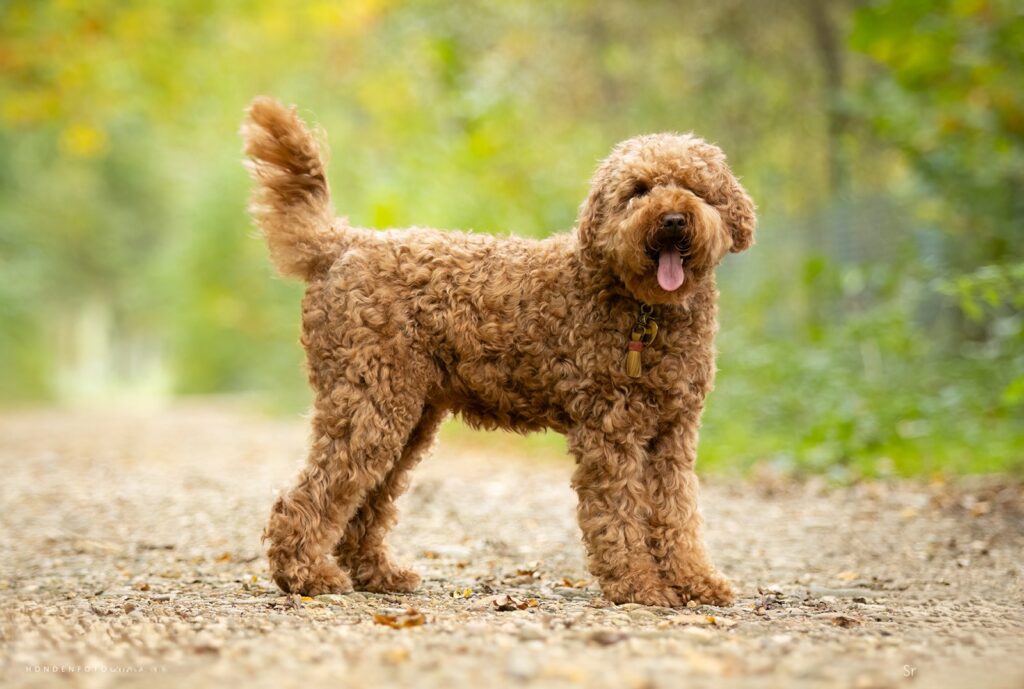
A guide to the breed’s history, temperament, and purpose
f you are wondering exactly what is an Australian Labradoodle, you are not alone. I often get asked what an Australian Labradoodle is. Part of the answer is simple: A mix of Labrador Retriever, Poodle, and Cocker Spaniel. Yet, the answer does not end here. The breed was developed over decades with a well-founded goal: to create a consistently healthy, intuitive, people-focused companion dog with a reliable temperament. Multigeneration Labradoodles were developed over decades of careful breeding.
That distinction makes all the difference.
The term “Australian Labradoodle” is sometimes used loosely online, which creates confusion for puppy buyers. Some dogs advertised under the name are first-generation crosses, while others come from carefully developed multigenerational lines with documented pedigrees and health testing.
The first generations of the Labradoodle are the “foundation” generations, and they tend to be less consistent. In breed clubs, there are registries that track lineage and consistent health testing. Responsible breeders also intentionally breed for the socially intuitive, human-focused temperament the Australian Labradoodle is known for. This is the reason Australian Labradoodles are highly regarded globally as a top breed choice for service and therapy work.
After health and temperament, coat and structure are also important for a healthy dog. A Multi-generation Australian Labradoodle will have a more consistent disposition, structure, size, and coat.
The Origins of the Australian Labradoodle
The Australian Labradoodle began with the original Labradoodle crosses developed in Australia in the late 1980s and early 1990s. Early service dog breeders recognized the potential of combining the Labrador Retriever’s happy-go-lucky personality with the intelligence and coat qualities of the Poodle.
Over time, selected lines of English and American Cocker Spaniels were also introduced to soften the coat into a more wavy fleece. Careful breeders placed emotional sensitivity and family companionship as desirable traits.
The modern Australian Labradoodle developed from generations of careful selection. That being said, because genetic diversity is necessary for good health, some breeders choose to develop new lines, starting over with the foundation breeds or adding early generations into their lines.
Responsible ALD breeders today breed toward:
- An intuitive, friendly nature
- Motivation to be a faithful companion to their humans
- Sound structure
- Genetic diversity
- Predictable coats
- Long-term health
In well-developed lines, these dogs are intentionally bred to be emotionally intuitive, social, trainable, and adaptable to family life.
Australian Labradoodle Temperament: What Makes the Breed Different?
In our experience, a lovely personality is the defining characteristic of a well-bred Australian Labradoodle.
Although many breeds can be intelligent or affectionate, what often stands out about Australian Labradoodles is their unusual combination of social awareness, gentleness, and emotional responsiveness.
This special quality, unique to the breed, is a combination of the chosen parent breeds and responsible breeders intentionally selecting for it over generations.
Good Australian Labradoodles tend to:
- Read human emotion exceptionally well
- Recover quickly from stress
- Show strong social bonding
- Remain highly people-oriented
- Balance playfulness with steadiness
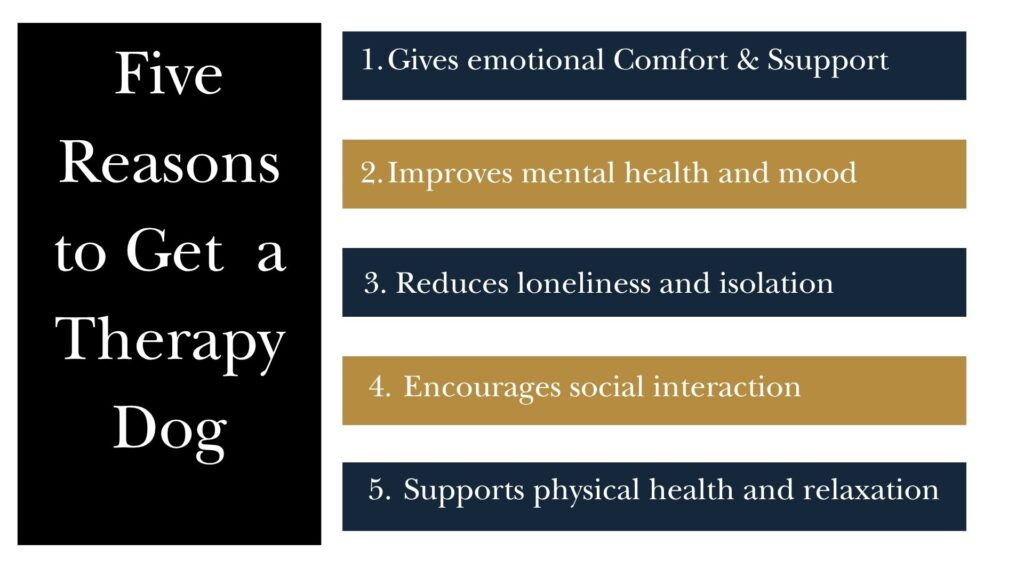
This is one reason the breed has become popular in therapy, service, and emotional support work. They are highly sought by both trainers and people for this, and you will find many proud and happy ALDs doing this “job.”
Yet, that coveted warm and congenial nature is never guaranteed by genes alone. Early neurological development, socialization, puppy raising practices, and ongoing training all play major roles. Like human children, both genetics and environment play important roles in development.
That is something experienced breeders understand and strive to preserve.
This is why the Australian Labradoodle is a top choice as a service and therapy dog, and consistently performs well in scientific studies on the best breed for this kind of work. See below for links to a couple of these studies.
Coat Types and Shedding in the Australian Labradoodle
Australian Labradoodles are known for their low-shedding fleece and wool coats.
Some individuals with allergies do very well with the breed. Others may still react. No dog can be allergy-free, and each dog possesses a unique amount of allergens.
Ethical Australian Labradoodle breeders should be honest and allow families to visit to see if they react to a particular puppy.
Coat quality also varies significantly depending on lineage consistency. A true multigenerational Australian Labradoodle program should prioritize coat predictability alongside the health of the body, harmony of mind. Both curly and wavy fleece coats are desirable.
Regular grooming is essential. Most Australian Labradoodles require brushing several times per week and professional grooming every 6–8 weeks.
Health and Responsible Breeding
One of the biggest misconceptions online is that all Australian Labradoodles are bred the same way.
They are not.
Because the breed is still developing globally, breeder ethics and standards vary enormously. Mindful breeding involves far more than pairing two labradoodles together.
Established breeders typically perform extensive health testing before breeding, including:
- Hip evaluations
- Elbow evaluations
- Eye examinations
- DNA screening for inherited conditions
- Laboratory testing for inherited genetic diseases
- Pedigree analysis
- COI (Coefficient of Inbreeding) evaluation
Experienced, ethical breeders also place strong emphasis on preserving genetic diversity to support the long-term health of the breed population. Crossing genetically close dogs can bring out undesirable genes.
Is an Australian Labradoodle Right for Every Family?
While they are often wonderful companions, Australian Labradoodles do require:
- Training
- Socialization
- Grooming
- Mental engagement
- Human interaction
They are generally happiest when included closely in family life. They love to “go with,” and if their human goes away, they will greet them like a long-lost friend, no matter if the time away was long or short.
Because Australian Labradoodles genuinely love people, they rarely make effective guard dogs, although they will usually alert you when someone arrives. Thanks to their Retriever and Poodle heritage, many love carrying and retrieving objects. Some will even proudly return a missing sock when asked where it went.
They enjoy living with you in your home. They are bred for companionship, and many work as service or therapy dogs. Their strong social nature often means they want to be wherever their people are — whether that is relaxing on the couch, going for a walk, or following you from room to room to “supervise” your activities.
A well-bred Australian Labradoodle can be deeply rewarding for active families, therapy homes, retirees, or individuals seeking a socially connected companion dog. But like all dogs, they thrive best when breeders and owners approach them for who they are. For example, because they seek human love and companionship, they respond best to reward-based training. And because they are intelligent, they thrive and learn best when solving puzzles rather than repetitive training.
Final Thoughts
The Australian Labradoodle was originally developed with a very specific vision: to create a highly social, empathetic companion dog capable of succeeding in modern family life and in therapy and service work.
When carefully bred with health, temperament, structure, and genetic stewardship in mind, they can be exceptional companions.
But preserving those qualities requires responsible breeding, transparency, education, and long-term planning by the people guiding the breed’s future.
And here are a couple of studies where Labradoodles came out as a top breed for service and therapy work:
In a 2023 Swedish study, nursing home residents interacted with a therapy labradoodle, and their physiological responses were measured. “Fingertip temperature increased and heart rate decreased in response to the physical contact, probably reflecting a decrease in the activity of the sympathetic nervous system and a calming and relaxing effect induced by the interaction.”
In an animal-assisted study at a physical rehab center in Alberta, CA, students demonstrated how dogs can help patients reach their goals. The Australian Labradoodle in the study shone. “ Flynn helped demonstrate how dogs can assist in Physical Therapy treatments by helping clients gain mobility and strength through accompanying them on walks and playing fetch.”
Written by: Anita Main of Coatal Labradoodles